Why Public Benches Change How Streets Are Used
A closer look at how benches shape pauses, walking routes, age-friendly streets, and the everyday social life of public space.
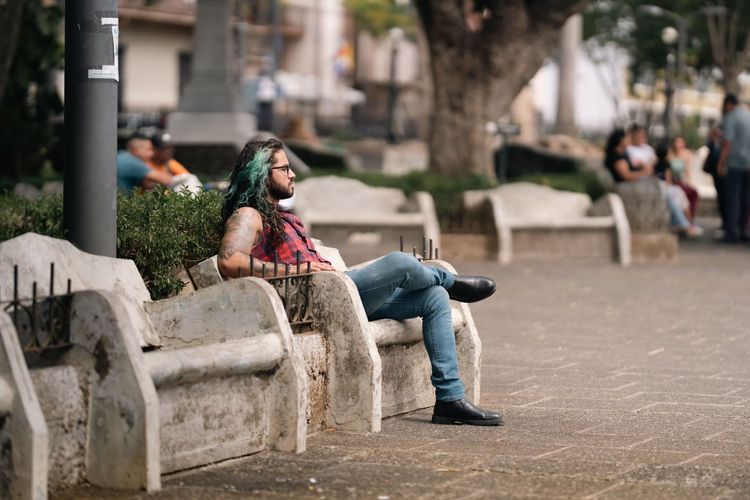
Anchor the story to people, places and small decisions that still shape everyday life.
Why Public Benches Change How Streets Are Used
A bench can look like a minor object, the kind of thing people pass without noticing until they need one. Yet public seating changes how a street feels. It lets an older shopper split a walk into two parts, gives a parent a place to retie a child’s shoe, and turns a wide sidewalk from a corridor into a place where someone can stay. Curio Journal has looked at everyday design before, including street names and mailrooms; benches belong in the same quiet category.
This is not a claim that every bench transforms a neighborhood. Location, shade, maintenance, and local rules matter. A bench beside traffic may be ignored, while a bench near a bus stop may become essential. The interesting part is that a bench is both furniture and permission. It tells people that stopping is allowed.
A street with seating has a different pace
Walking speed is partly physical and partly social. A street with nowhere to sit asks people to keep moving. That works for commuters who only need to pass through, but it excludes people who need pauses: older adults, pregnant people, children, people with pain, tourists, and anyone carrying bags. A bench changes the route by adding recovery points.
Urban designers often talk about walkability in terms of distance, crossings, and sidewalks. Seating adds another layer. A ten-minute walk without rest can be different from the same walk with two benches. The route becomes more forgiving. People can choose to continue because stopping is possible.
Benches make waiting more visible
People wait in public all the time. They wait for buses, friends, rides, food orders, appointments, and children coming out of school. Without seating, waiting becomes awkward. People lean on walls, sit on planters, block doorways, or pace. A bench gives waiting a recognized shape. It says this pause is part of the street, not a failure to move along.
That visibility can be uncomfortable for cities that prefer public space to look tidy and fast. Some places remove benches to discourage loitering. Others install uncomfortable seating that limits how long people can rest. Those choices reveal a civic question: who is allowed to use public space when they are not buying anything?
Placement decides whether the bench works
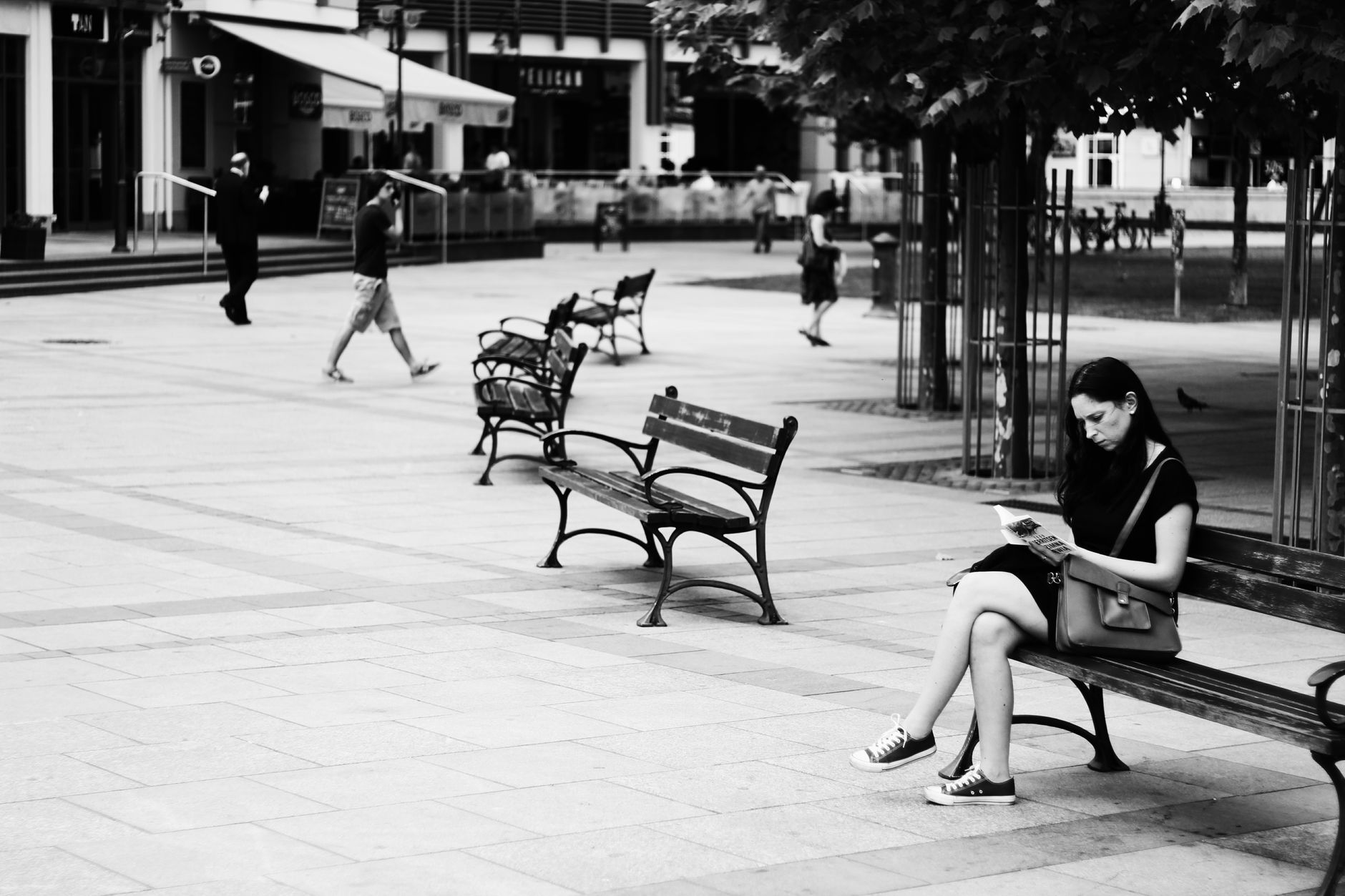
A bench in full sun with no back support may satisfy a checklist while failing people. Useful benches usually sit where people already pause: near transit stops, outside libraries, along shopping routes, beside playgrounds, or under shade. They also need a clear view of the street. Many people avoid seating that feels hidden or exposed from behind.
Small details matter. Armrests can help some people stand, though they can also prevent lying down. Backrests support longer rests. Nearby trash cans reduce litter but need maintenance. A bench facing a blank wall feels different from one facing movement. The object is simple; the context does the work.
Benches carry social rules
People read benches quickly. A long bench invites strangers to share space with a careful gap between them. Two chairs angled together invite conversation. A bench near a playground signals supervision. A bench near a memorial asks for quiet. The seating arrangement shapes behavior before anyone says a word.
This is why bench design often becomes political. A city may say it wants lively sidewalks but choose seating that discourages staying. A park may invite families but place benches too far from play equipment for caregivers to watch. Public furniture turns values into wood, metal, concrete, and bolts.
The history is ordinary, which is why it matters
Public seating grew with promenades, parks, transit systems, and commercial streets. It served practical needs: rest, observation, conversation, and waiting. The Library of Congress has broad collections on American city life at loc.gov, and those visual records show how often people used streets as social rooms, not just transportation routes.
Modern streets still carry that tension. Cars made many roads faster and less comfortable for lingering. Outdoor dining, pedestrian plazas, and transit shelters have brought some seating back. The bench sits at the edge of these changes. It is too small to explain a city, but it records what the city expects people to do with their bodies.
Maintenance is part of the invitation
A dirty or broken bench sends a different message from a cared-for one. People notice loose boards, stains, poor lighting, and trash. Maintenance decides whether seating remains public in practice. A bench that feels unsafe may still exist on a map, but it has stopped functioning as a welcome.
Maintenance also affects fairness. Wealthier districts may keep attractive seating while lower-income streets get fewer places to rest. That changes who can comfortably walk. A person with limited stamina may plan errands around benches. Remove those benches, and the street becomes longer.
Weather adds another layer. A metal bench in summer sun may be unusable at the hour people need it. A shaded bench without drainage may stay damp after rain. In cold climates, wind exposure can turn a technically available seat into one people avoid. Good public seating is not only present; it is usable across ordinary weather.
Benches help people notice a place
When people sit, they see details walkers miss: shop signs, window displays, tree shade, overheard conversations, pavement repairs, birds, delivery rhythms, and school dismissal patterns. A bench turns the viewer from traffic into an observer. That is one reason benches appear in travel photos and neighborhood memories.
Curio Journal’s piece on tiny purposeful rooms makes a similar point about scale. Small built features often preserve old habits. A bench preserves the habit of watching public life unfold without needing to consume, perform, or hurry.
A simple way to read a bench
Next time you see a bench, ask four questions. Who can use it comfortably? What does it face? What happens around it? What would be harder if it disappeared? Those questions reveal more than the bench’s style. They show the relationship between movement and rest on that street.
Also notice who is missing. If no older adults sit there, the issue may be shade, height, arm support, noise, or fear of being in the way. If caregivers never use the bench near a play area, it may be facing the wrong direction. Public furniture can fail quietly because people route around it rather than complain.
A useful bench also leaves room beside it for a stroller, walker, suitcase, or wheelchair. If every seat blocks the clear path, resting becomes a conflict with people passing through. Good placement lets someone pause without feeling as if they are in the way.
The bench may be ordinary, but ordinary objects are often where public life becomes legible. A street without a place to pause belongs mostly to the quick. A street with good seating makes room for slower people, waiting people, tired people, and observant people. That changes the street even when nothing else moves.
Public space sources
- Project for Public Spaces: What makes a successful place
- Library of Congress: Collections on cities, towns, and everyday life
- National Association of City Transportation Officials: Urban street design guidance