The Quiet History Hidden in Apartment Mailrooms
Apartment mailrooms reveal changes in shopping, privacy, building design, and everyday trust through boxes, lockers, notices, and worn labels.
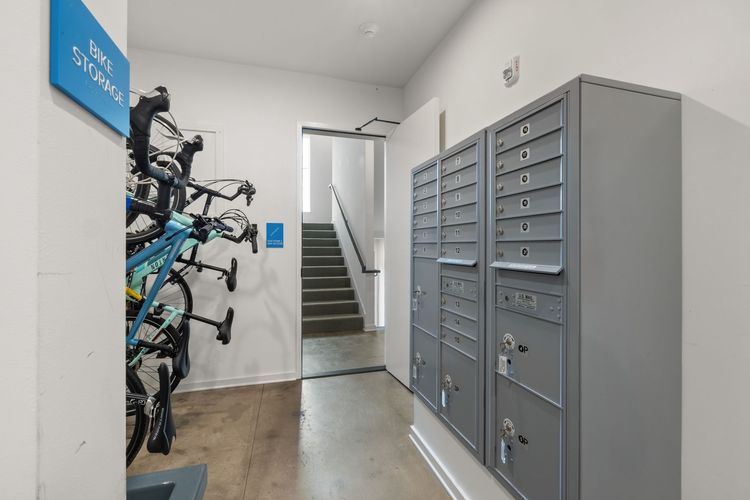
Anchor the story to people, places and small decisions that still shape everyday life.
The Quiet History Hidden in Apartment Mailrooms
Apartment mailrooms are easy to ignore until something goes missing. Then the room becomes a map of modern life: old brass boxes beside digital lockers, handwritten notes about lost packages, delivery photos showing the wrong carpet, and a shelf where everyone hopes their parcel is still waiting. It is a small room, but it tells a larger story about how people receive goods, share space, and trust strangers they may never meet.
From letters to boxes
Older apartment mail areas were built around envelopes. Small locked compartments made sense when most deliveries were letters, bills, magazines, and postcards. Parcels existed, but not at the current scale. The rise of online shopping changed the room’s job. A wall of narrow boxes cannot handle shoes, pet food, kitchen appliances, meal kits, and subscription refills arriving on the same afternoon.
Postal systems have had to adapt too. The United States Postal Service publishes rules and guidance for centralized delivery equipment, including apartment-style mailbox systems: https://www.usps.com/manage/mailboxes.htm. Those rules sit behind what residents experience as a simple slot, key, or parcel locker.
What the labels remember
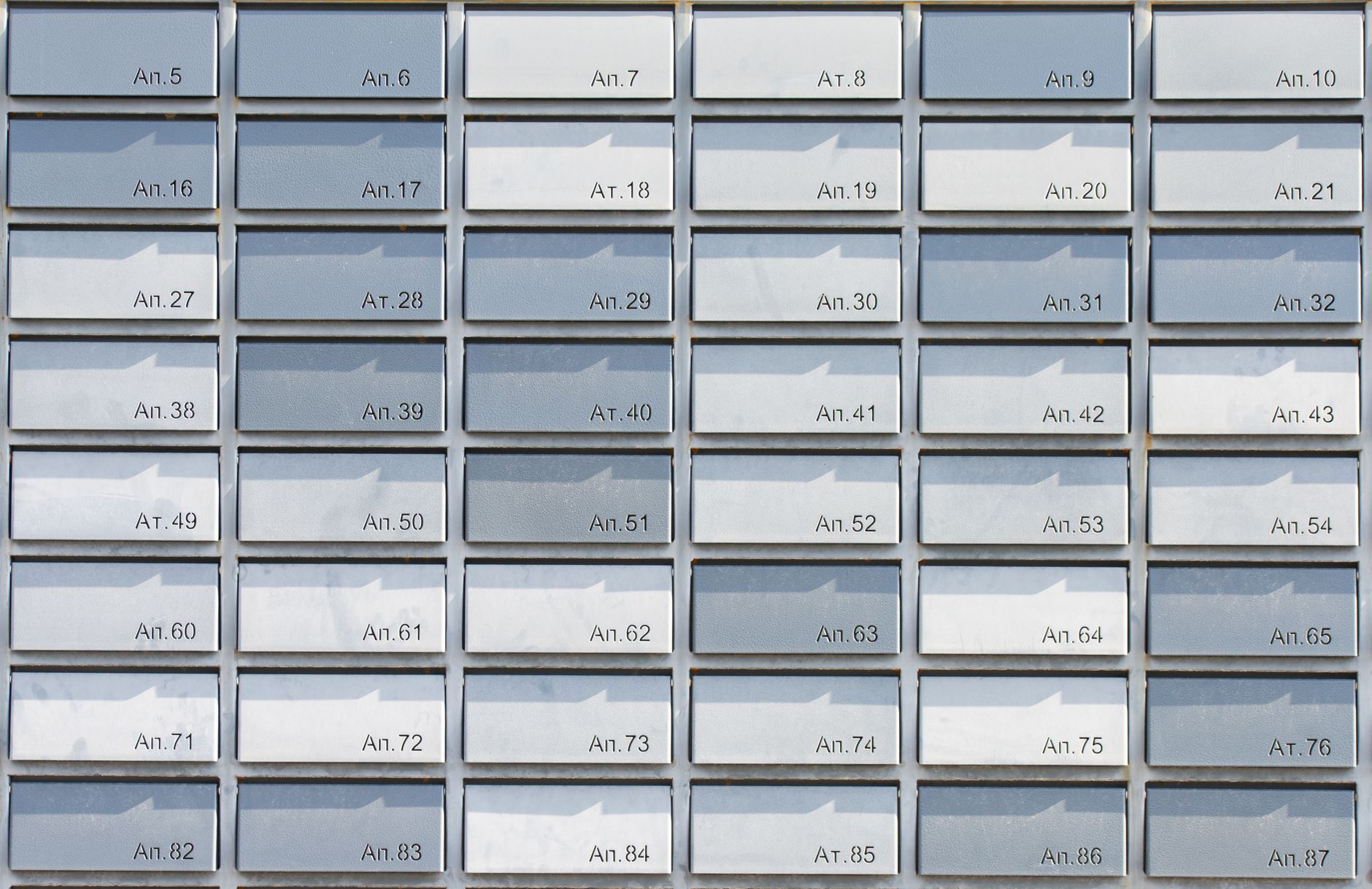
Look closely at an older mailroom and you may see layers of name labels: printed strips, faded tape, apartment numbers written in marker, a surname half-scraped away. The labels show turnover without telling the full story. People moved in, moved out, changed names, sublet rooms, or switched to paperless billing. The mailroom keeps traces after the hallway has been painted.
This is why mailrooms can feel oddly intimate. They show names, routines, mistakes, and absences. A stuffed mailbox may mean travel, illness, vacancy, or someone who forgot to forward mail. The evidence is public enough to notice and private enough that people should be careful with assumptions.
The package shelf changed neighbor etiquette
Shared package shelves created new social rules. Is it acceptable to move someone’s box to reach yours? Should a resident text the building group when they see a parcel left by the door? Is it rude to leave a large box in the room for three days? Buildings answer these questions differently, but the questions themselves are new for many residents.
Parcel lockers try to reduce friction. They assign a compartment, send a code, and keep the delivery out of the hallway. But lockers also introduce new problems: full compartments, wrong phone numbers, carrier compatibility, and residents who cannot easily use app-based systems.
A short timeline of mailroom habits
- Letter slot era: identity was tied to apartment number and a small locked box.
- Catalog and magazine era: larger flat mail made overflow more common.
- Online-shopping era: packages became a daily building-management issue.
- Locker era: software entered a space that used to be mostly metal and keys.
- Delivery-photo era: the carpet, doorframe, or lobby tile became proof of location.
The timeline is not exact. Many buildings live in several eras at once. A century-old walk-up may add a camera above a wooden shelf. A new tower may still have handwritten warnings taped beside the lockers.
Privacy in a shared room
Mail carries personal information: names, addresses, medical billing notices, government letters, bank envelopes, school documents, and delivery labels. A mailroom needs enough openness for delivery and enough control to protect residents. That balance is hard.
In the UK, Royal Mail gives advice on redirection and handling mail when moving: https://www.royalmail.com/personal/receiving-mail/redirection. In the EU and UK, privacy expectations around personal data can be strict, but everyday building behavior still matters. Do not photograph a mailroom board with visible names. Do not open misdelivered mail. Do not leave someone’s package in a public doorway if there is a safer shelf.
Why notices multiply
Mailrooms attract paper notices because they are one of the few places residents must visit. Managers post trash reminders, elevator schedules, water shutoff warnings, lost keys, and package rules there. The result can become visual noise. When every notice shouts, none of them works well.
A clear mailroom notice is specific: what happened, who is affected, what to do, and when the instruction expires. “Do not leave boxes” is weaker than “Break down cardboard and place it in the recycling room; large boxes left here after Friday will be removed.” The best notices sound boring because they solve a real problem.
The room as a trust test
A mailroom tests small civic habits. People return misdelivered letters. Someone moves a heavy box away from the door. Someone else takes a package that is not theirs. Most days, the system works because ordinary residents choose not to make it worse.
Technology helps, but it cannot replace that baseline. Cameras may discourage theft. Lockers may reduce mistakes. Delivery photos may settle disputes. Still, a shared building depends on people accepting that convenience has limits when everyone is receiving things through the same narrow room.
What future mailrooms may need
Future mailrooms may need better ventilation for crowded lobbies, more parcel capacity, clearer accessibility, and systems that work for residents without smartphones. They may also need space for returns, since modern shopping sends items both into and out of buildings.
The apartment mailroom is not glamorous. It is a daily checkpoint where infrastructure meets private life. If you want to see how shopping, privacy, and neighborly trust have changed, skip the lobby sculpture and look at the package shelf.
Accessibility is part of the story
A mailroom that works for one resident may fail another. High parcel lockers can be hard to reach. Tiny labels can be difficult to read. Heavy fire doors can make package collection awkward for wheelchair users, older residents, parents with strollers, or anyone carrying groceries. When buildings modernize mailrooms, accessibility should be treated as basic design rather than a special request.
Good mailrooms make common actions obvious: where letters go, where parcels wait, how to report a missing item, and how to contact management. The less a resident has to guess, the less friction the room creates.
The return label changed the room again
Online shopping did not only increase incoming parcels. It also increased returns. A resident may print a label, tape a box, leave it for pickup, or carry it to a parcel point. Buildings that once needed only inbound shelves now deal with outbound clutter too. Returns sit beside deliveries, and confusion follows.
This changes the etiquette. A box with a prepaid label may look like a delivery to someone else. A courier may pick up the wrong parcel if the shelf is chaotic. Clear zones help: incoming parcels here, outgoing returns there, oversized items somewhere else. Boring signs prevent expensive mistakes.
A room built from small compromises
Mailrooms sit between postal regulation, building budget, resident behavior, carrier habits, and privacy expectations. That is why they are rarely perfect. A manager may want lockers but lack space. Residents may want more security but dislike extra steps. Carriers may need speed. Everyone wants the package, but not everyone wants the same process.
Those compromises are the history. The room keeps changing because the way people live keeps changing. The next version may have better lockers, more cameras, or fewer paper letters. It will still depend on residents not treating shared space as nobody’s space.