Why Receipts Became Tiny Records of Everyday Life
Receipts look disposable, but they reveal prices, habits, taxes, technology, warranties, returns, and the small ways commerce became traceable.

Start with the object, habit or tradition, then follow the context that makes it interesting.
By Curio Journal
Editorial note: This article is a general cultural and historical explainer. It is not tax, legal, accounting, or consumer-rights advice. Rules about receipts, returns, and tax records vary by place and situation.
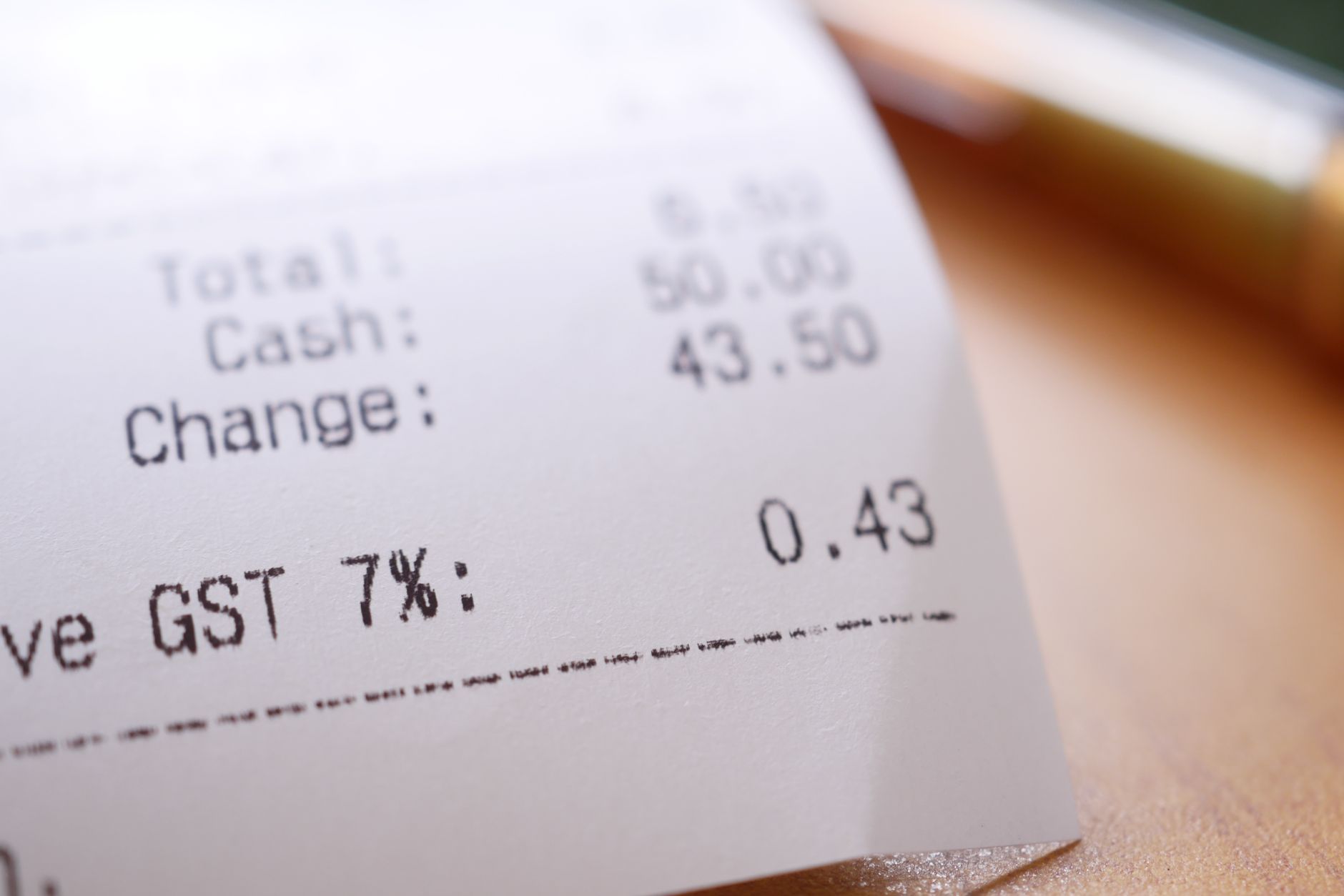
A receipt is easy to ignore. It curls in a pocket, fades in a drawer, or arrives as an email nobody opens. Yet the receipt is one of the most common documents in modern life. It turns a brief exchange into a record: what was bought, where, when, for how much, and sometimes by whom.
That tiny record changed how people shop, return goods, manage household budgets, claim warranties, split expenses, and prove that a transaction happened. A receipt is not glamorous, but it is a small witness to daily commerce.
Before the receipt was ordinary
Buying something did not always produce a standardized slip. In many settings, trust, memory, account books, handwritten notes, or shopkeeper records mattered more than a printed item handed to the buyer. A regular customer might have a tab. A merchant might write entries in a ledger. A market purchase might leave no paper at all.
Printed receipts became more useful as retail grew more complex. Larger shops, more employees, fixed prices, return policies, taxation, and warranties all made private memory less reliable. The buyer and seller needed a shared artifact.
Receipts made price visible after the moment passed
A price tag tells you the cost before purchase. A receipt preserves the cost after purchase. That matters because memory softens quickly. Was the bread cheaper last week? Did the sale price apply? How much was the repair? Which item made the bill high?
Receipts let people compare, complain, budget, and learn. They also made mistakes easier to spot. A double charge or missing discount becomes easier to challenge when the details are printed.
The cash register changed trust
The rise of mechanical and later electronic cash registers helped standardize transaction records. A register was not only a drawer for money. It was also a counting machine and a trust machine. It protected the shop owner from theft, the cashier from accusation, and the customer from uncertainty.
The National Museum of American History has collections related to business and retail technology that show how ordinary commercial tools became part of social life. Machines that looked purely practical often changed expectations around accuracy.
Returns need evidence
Modern return culture depends heavily on receipts. Without proof of purchase, a shop may not know when the item was bought, whether it came from that store, what price was paid, or whether a return window has passed.
Receipts therefore shape behavior after the sale. People keep them for appliances, shoes, gifts, electronics, and tax-deductible purchases. Some households have a drawer or envelope full of slips that are not sentimental but still matter.
A receipt can tell a social story
Look at an old receipt and it may reveal more than a purchase. It can show a neighborhood business, a vanished brand, a former currency value, a tax rate, a family habit, or a technology in transition. A grocery receipt shows diet and prices. A travel receipt shows movement. A repair receipt shows what people fixed instead of replaced.
Historians often value ordinary records because they capture life below major events. A receipt is not a diary, but it can sit beside diaries, photographs, advertisements, and account books as evidence of how people lived.
The digital receipt changed the clutter, not the idea
Email receipts reduced paper but multiplied invisible records. Instead of a shoebox, people now have inbox searches, app histories, payment dashboards, and cloud invoices. The form changed; the need remained.
Digital receipts can be easier to store and harder to notice. A paper slip interrupts you physically. An email receipt can disappear among promotions, shipping notices, and password resets. The document is still there, but the habit of reviewing it may fade.
Privacy entered the receipt story
Receipts can contain more information than buyers expect: loyalty numbers, partial card numbers, surveys, return codes, coupons, store locations, and timestamps. In digital form, the transaction may connect to accounts, profiles, and marketing systems.
That does not make every receipt alarming. It does mean receipts are part of the larger story of data. The simple record of a purchase can become a clue in a much bigger commercial picture.
What receipts reveal in a household
A month of receipts can show where money leaks: snacks, delivery fees, small upgrades, duplicate household items, forgotten subscriptions, or repairs that keep repeating. This is why budgeting advice often begins with tracking spending. The receipt is the raw material.
But receipts also show care. They show school supplies, birthday gifts, medicine, food for guests, tools for repair, and small pleasures. A household is not only numbers. It is choices repeated in ordinary places.
Why the receipt still survives
The receipt survives because proof is useful. People need to return, reimburse, claim, compare, reconcile, remember, and dispute. Businesses need records. Governments need tax trails. Families need budgets. Travelers need expenses.
A receipt is small because the transaction is small. But millions of small transactions make up economic life. That is why the receipt deserves a second look before it fades in the drawer.
Receipts made household memory less fragile
A household often runs on small purchases: soap, bus fare, school supplies, light bulbs, medicine, ingredients, batteries, replacement parts. Without records, these purchases blur together. Receipts made it possible to reconstruct the week in a practical way.
That reconstruction could be financial, but it could also be emotional. A receipt from a birthday cake, a train journey, or a first apartment purchase may survive because the event mattered. The paper was not designed as a keepsake, yet it became one because it carried a date and place.
They also changed arguments
Receipts give arguments a different shape. A customer can show the price paid. A shop can show the return window. A roommate can show who bought shared groceries. A worker can submit expenses. The receipt does not guarantee fairness, but it gives people a shared object to discuss.
This is one reason receipts are connected to trust. They reduce the need for everyone to remember the same event perfectly.
The fading paper has its own problem
Many modern thermal receipts fade. Heat, sunlight, and time can turn them pale. That makes the receipt strangely temporary even when the transaction matters. People learn to photograph important receipts, request email copies, or store documents differently for warranties and expenses.
The fading slip is a reminder that records need care. A document can exist and still become unreadable.
A tiny design history
Receipts also have a design language: store name at the top, date and time, item lines, tax, total, payment method, return code, survey link, barcode, coupon. Many people can read this format without being taught because it appears so often.
That familiarity is part of the receipt’s power. It compresses a transaction into a shape people recognize at a glance.
What to notice next time
Look at the next receipt before throwing it away. What does it show besides price? Does it include loyalty data, return terms, payment fragments, survey requests, or promotions? Does it make the store feel transparent or cluttered?
A receipt is small, but it is rarely simple.
A practical receipt routine
Receipts become useful when they have a home. Try a three-part routine:
- Keep warranty and return receipts in one folder until the return window closes.
- Photograph or scan receipts tied to tax, work, insurance, or large purchases.
- Delete or recycle ordinary receipts after checking the charge.
This simple routine separates memory from clutter. It also helps when a product fails, a reimbursement is due, or a card statement looks wrong.
The IRS recordkeeping guidance is aimed at tax records rather than everyday shopping, but it shows why receipts can matter as evidence. The Federal Trade Commission also publishes consumer guidance that often depends on keeping records of purchases, warranties, and complaints.
Sales tax, VAT, and local details
Receipts reflect local systems. A U.S. receipt may show sales tax. A UK or EU receipt may show VAT details. A business receipt may include tax registration information. These lines look ordinary, but they reveal how governments and businesses make transactions auditable.
That is one reason receipts differ across countries. The format follows law, technology, and retail habit.
What a receipt can teach in one minute
Before saving a receipt, check four things: merchant, date, payment method, and return deadline. For larger purchases, also check serial numbers, warranty language, and whether the item description is specific enough. A receipt that says only “miscellaneous” may be less useful later than one that names the item clearly.