Why Empty Spaces Quietly Heal Us — Minimalism Isn’t the Whole Story
This quiet, invisible force shaped how humans perceive the world ever since we started making handmade objects, long before minimalism became a viral social media trend or mainstream home decor style gained traction.
Translate the everyday question into simple mechanisms, limits and observable details.
Stop for a moment and ask yourself where you can truly unwind. It’s rarely a living room covered wall-to-wall with decor, a shelf stuffed full of little trinkets, or busy downtown walkways clogged with billboards and street installations. More often than not, the most comforting spots hold a kind of quiet emptiness: a blank white wall with nothing hanging on it, an empty stretch of wooden flooring, a windowsill kept totally clear, an empty stretch of sidewalk where nothing crowds your line of sight. Interior designers call this negative space, but its power goes way beyond home styling trends. It changes how our brains handle stress, how we observe the world around us, even how we store ordinary daily memories — and weirdly enough, almost no one bothers figuring out why empty spaces have such a calming effect. Funny how nobody ever notices this tiny comfort in daily life.
This quiet, invisible force shaped how humans perceive the world ever since we started making handmade objects, long before minimalism became a viral social media trend or mainstream home decor style gained traction.
Ancient Humans Already Understood the Magic of Empty Space
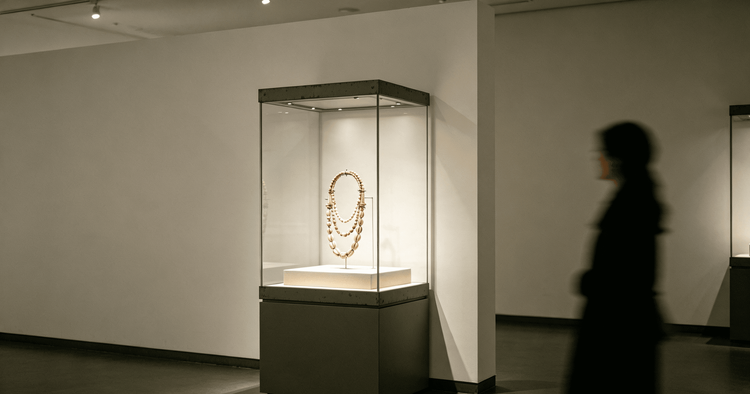
If you look closely at some of humanity’s oldest handmade relics, you’ll spot a small detail most modern designers completely ignore. Shell beads crafted by nomadic tribes wandering ancient North Africa were never designed to be thick, solid jewellery. Artisans always carved a neat hollow hole right through the centre of each shell fragment, and archaeologists now believe this practice wasn’t only meant for threading plant fibre cords to wear them. For those early tribal groups, empty space didn’t mean unfinished decoration; it was a deliberate, meaningful detail built into every piece they crafted.
The hollow core inside each bead stood for transition and peace within a harsh, unpredictable nomadic lifestyle. A solid shell looked dull and lifeless, yet a pierced hollow bead carried subtle spiritual meaning people deeply believed in. This marked the first time humans worked out a simple truth: shapes and symbolic meaning never land properly without empty areas to balance them out.
This innate instinct stayed within humanity across every historical era, hardwired into how our eyes process visuals and how our emotions react to different environments even today.
How Blank Surfaces Physically Calm Down Overworked Brains
Human visual systems were never built to endure endless layered stimulation for hours on end. Every cluttered countertop, overlapping knick-knack and crowded wall decoration forces your eyes and brain to sort, filter and process conflicting visual information nonstop. This subtle mental burden builds slowly over time, raising your baseline stress level gradually and leaving you worn out, irritable without any obvious reason for exhaustion.
Empty surfaces shut down this draining mental cycle entirely.
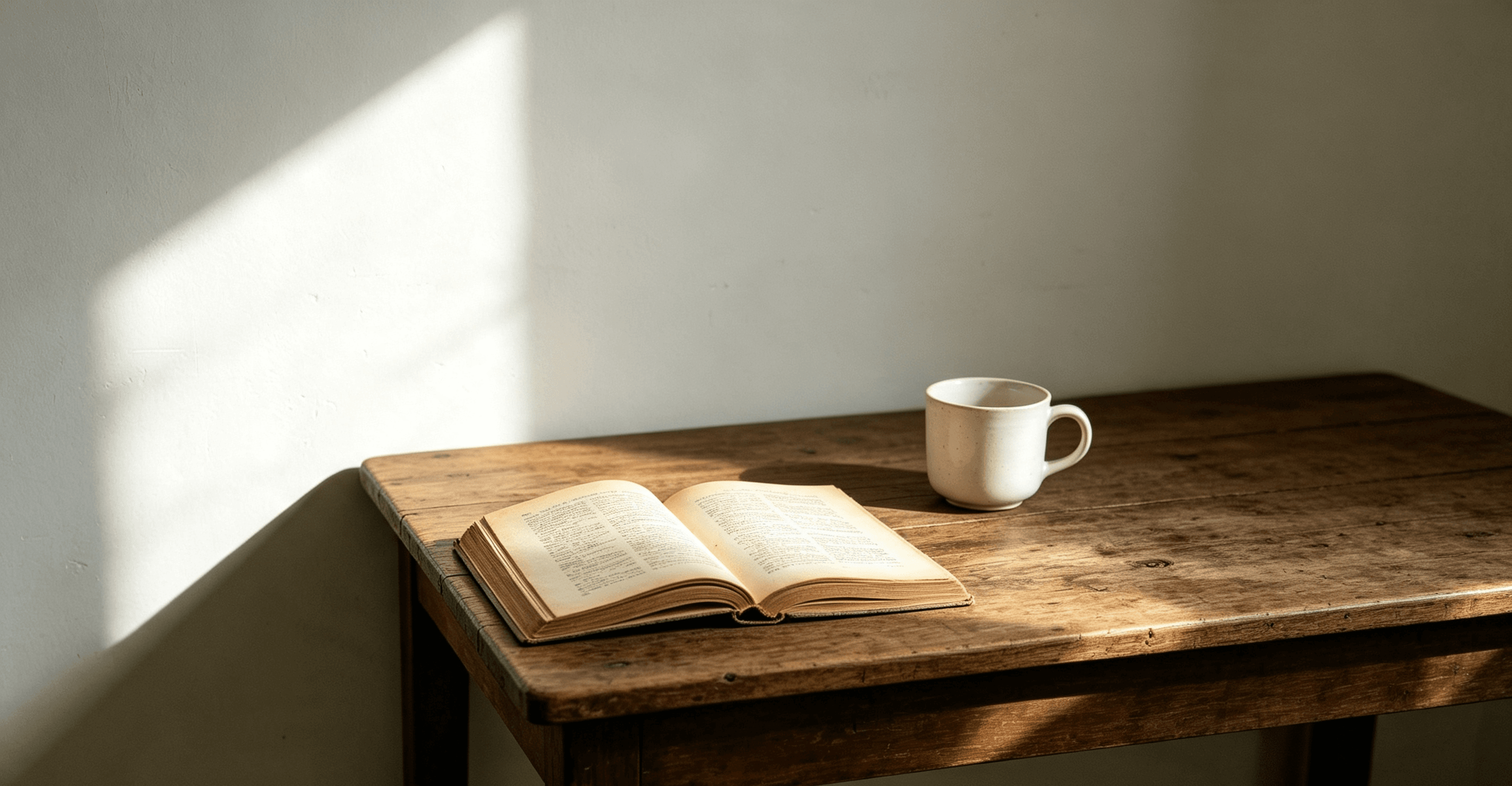
Whenever your gaze lands on a smooth, blank wall or floor without patterns or decorations, your visual cortex finally gets a proper break. There is nothing to classify, nothing to compare, nothing to analyse. Psychologically, this brief moment of rest triggers a gentle but steady drop in stress hormones inside your body, stabilising your mood instantly. This explains why sparsely decorated rooms feel breathable and cozy, while houses packed full of ornaments slowly drain your mental energy as hours pass.
It also explains why museum exhibits arranged with care feel immersive and peaceful to walk through. Curators surround exhibits with blank white space not just to look elegant. They understand visitors cannot focus on intricate ancient artefacts without visual breathing room around them. Pile too many relics together with zero gaps, all details blur into a messy visual mess; carefully placed empty space lets each artefact register clearly in a viewer’s mind.
Empty Backgrounds Make It Easier For Us To Focus & Think Clearly
Our ability to pick out important patterns and lock onto critical details evolved purely for survival. Early hunter-gatherers survived by spotting predators, prey and edible plants across vast open savannahs. Empty backgrounds made movement and key details stand out immediately. Crowded, tangled surroundings did the exact opposite, hiding vital information right in front of their eyes.
This evolutionary trait still controls human vision in modern daily life.
Anything placed against clean, empty negative space registers faster and far more sharply inside your brain. But pile visuals one over the next — overlapping text paragraphs, ornaments squished side by side, clashing colours competing for attention — your focus fractures right away. You can still make sense of the scene eventually, yet every moment costs extra tiring mental effort.
This unspoken rule governs nearly all modern visual design, ranging from urban street layouts all the way down to smartphone app interfaces. Public benches spaced apart with open pavement in between feel natural and easy to navigate. App buttons surrounded by blank margins feel intuitive and simple to tap accurately. Remove that surrounding empty space, and everything instantly turns messy, confusing and awkward to interact with.
Blank Space Acts As Invisible Dividers For Your Personal Memories
One greatly overlooked effect of negative space is its influence on memory formation. Human short-term memory cannot stack countless sensory experiences without blending them together. If every surface in your home is covered, every cranny stuffed with belongings, your brain loses the ability to draw clear boundaries between different moments in life.
The outcome is foggy, confused memories. Days merge into one vague stretch of time, busy rooms feel overwhelming, and small precious personal moments lose their sharp, vivid details.
Empty space solves this issue naturally. It works like invisible dividers separating different life moments. A clean stretch of kitchen counter, an empty wall segment between framed photos, vacant grass separating picnic groups outdoors — these blank zones create mental pauses. They allow your brain to store separate moments in individual memory slots, keeping your sense of order and mental clarity intact each day.
It also explains why dense blocks of text with no white space feel exhausting to read. Without blank gaps to rest your eyes, your brain keeps pushing through constant visual noise, never fully processing information or getting a chance to recharge.
Why Crowded Rooms Feel Tiny, While Bare Windowsills Feel Safe
Most people think a room’s size only depends on its physical measurements, yet spatial perception relies heavily on how much negative space you can see. Deep, highly saturated wall paint absorbs light and visually shrinks empty areas, which is why rooms painted dark often feel cramped and closed off. Lighter paint shades reflect ambient light, creating a stronger sense of openness even inside physically small rooms.
This universal instinct also explains why empty windowsills always feel naturally pleasant. When your view through the window stays unobstructed, stretching out towards open sky, trees or empty outdoor ground, your brain escapes the dense artificial clutter indoors for a quick passive mental reset, a habit most people never actively notice they’re doing.
Old-fashioned home layouts feel cramped to modern people precisely for this reason. Historic architecture prioritised heat retention, practical use and compact functionality above everything else, so builders intentionally cut down empty interior space wherever possible. Today we are constantly surrounded by visual clutter — roadside signs, glowing screens, endless home decorations, advertisements everywhere you turn — which makes those compact old layouts feel stifling and unnatural to live in.
What Happens When Designers Remove Every Bit Of Empty Space
You can observe the outcomes of removing all negative space inside any overcrowded public area. Retail stores packed floor to ceiling with goods, sidewalks cluttered with fixed installations, living rooms stuffed full of decorations all trigger identical behavioural changes in people.
Visitors hurry through these spaces instead of lingering comfortably. Making simple choices becomes exhausting amid competing visuals. Strangers grow mildly irritable and less patient with each other, because lost empty space eliminates the invisible psychological buffer humans instinctively need to feel safe in public spaces.
It’s the exact balance ancient shell craftsmen avoided thousands of years ago. Fully solid, gapless design feels unnatural to human senses, since evolution taught us to crave rhythm: presence paired with absence, complex details balanced with quiet stillness, textured surfaces matched with blank emptiness.
Final Thoughts
We usually only value tangible, physical things: furniture, decorations, visible details we can touch and examine. We dismiss empty space as useless leftover background, not worth thinking about. But emptiness is never just nothingness. It plays an active, vital role in how humans find calm, understand their surroundings, and store precious memories long into the future.
That soft feeling of peace that washes over you inside sparse, open spaces is no coincidence at all. It is your brain returning to its most natural, balanced state, guided by simple blankness to slow down, focus clearly, and truly relax. Some evenings I sit staring at a blank living room wall for minutes on end, only realizing afterward how tense my shoulders had been before.