Material, Object, Vision: Every Design Pick Is a Silent Cultural Statement
Walk into a living room, wander a street market, linger in a museum gallery, and you’re constantly decoding a silent visual language.
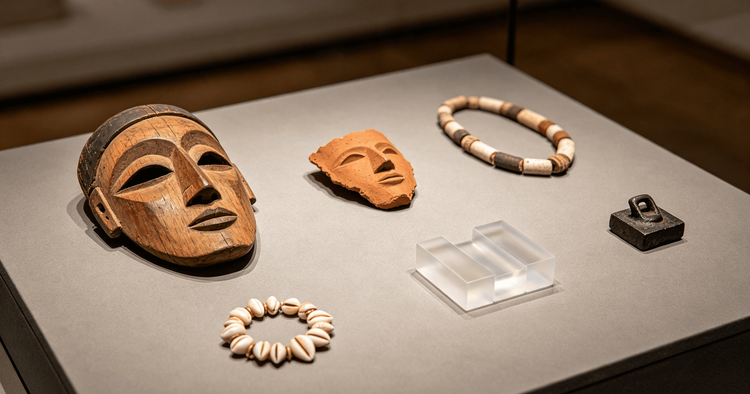
Look at the choices, constraints and materials that shape how an object or image communicates.
It’s stitched together by four intertwined elements most people never stop to unpack: the visual culture shared by a group of people, the physical objects we interact with daily, the raw materials used to craft those things, and every small design call made along the way. Regular folks tend to simplify design down to pretty shapes, trendy colors or stylish textures, yet every curve carved, every texture kept or sanded away, every material substitution an artisan makes is rooted in generations of social custom, lived history and how human beings process visual information. I want to break down how these four pieces feed into one another, mixing ancient craft artifacts and ordinary modern items to uncover that quiet conversation happening inside every single designed thing around us.
Visual Culture: The Unwritten Visual Rules We Absorb Growing Up
Visual culture isn’t limited to fine art hanging on gallery walls. It’s the collective set of symbols, preferred silhouettes, color palettes and spatial habits a community builds over time to express identity, faith, social order and core values. It’s an unspoken visual grammar we pick up naturally through festivals, hand-me-down crafts, trading goods and mundane daily routines, no formal art classes required.
Two distinct cultural craft traditions make this contrast easy to grasp.
The Bamana antelope headdresses from Mali, known as Chi Wara, rely on sweeping organic curves, muted earth mineral hues and tiny cowrie shell embellishments. Those elongated horns, hollow cut-out sections and faint brass studs aren’t added just for decoration. Each detail references local farming folklore, the balance between masculine and feminine energy, and ancient agricultural rituals. The exaggerated outline was crafted deliberately so onlookers across a crowded dance circle could make out its form instantly, turning abstract spiritual beliefs into something anyone watching could visually understand.
Dogon cliff masks follow an entirely different visual set of rules: rigid vertical rectangles, strict left-right symmetry, and a restrained palette made from local terracotta, charcoal, white clay and indigo plant dye. Their tall, compact vertical styling mirrors the stacked stone granaries and cliffside villages where the Dogon people have lived for centuries. Tall, heavy shapes visually communicate stability, permanence, and humanity’s bond with the rocky land their ancestors inhabited.
Before anyone carves wood, molds clay or weaves fabric into an object, visual culture already sets invisible boundaries for designers. A craftsperson working within these traditional systems cannot randomly reach for neon plastic or soft circular forms; those materials and silhouettes break the community’s shared visual vocabulary and strip the piece of its cultural purpose entirely. Even modern global visual culture operates by these unwritten rules. Minimal all-white kitchen layouts signal peace and relaxation, exposed raw steel furniture carries connotations of counter-culture authenticity, bright saturated plastic toys read as affordable mass-produced consumer goods. Every visual cue we react to instantly is something we’ve learned through years of cultural exposure.
Objects: The Physical Bridge Between Culture and Raw Material
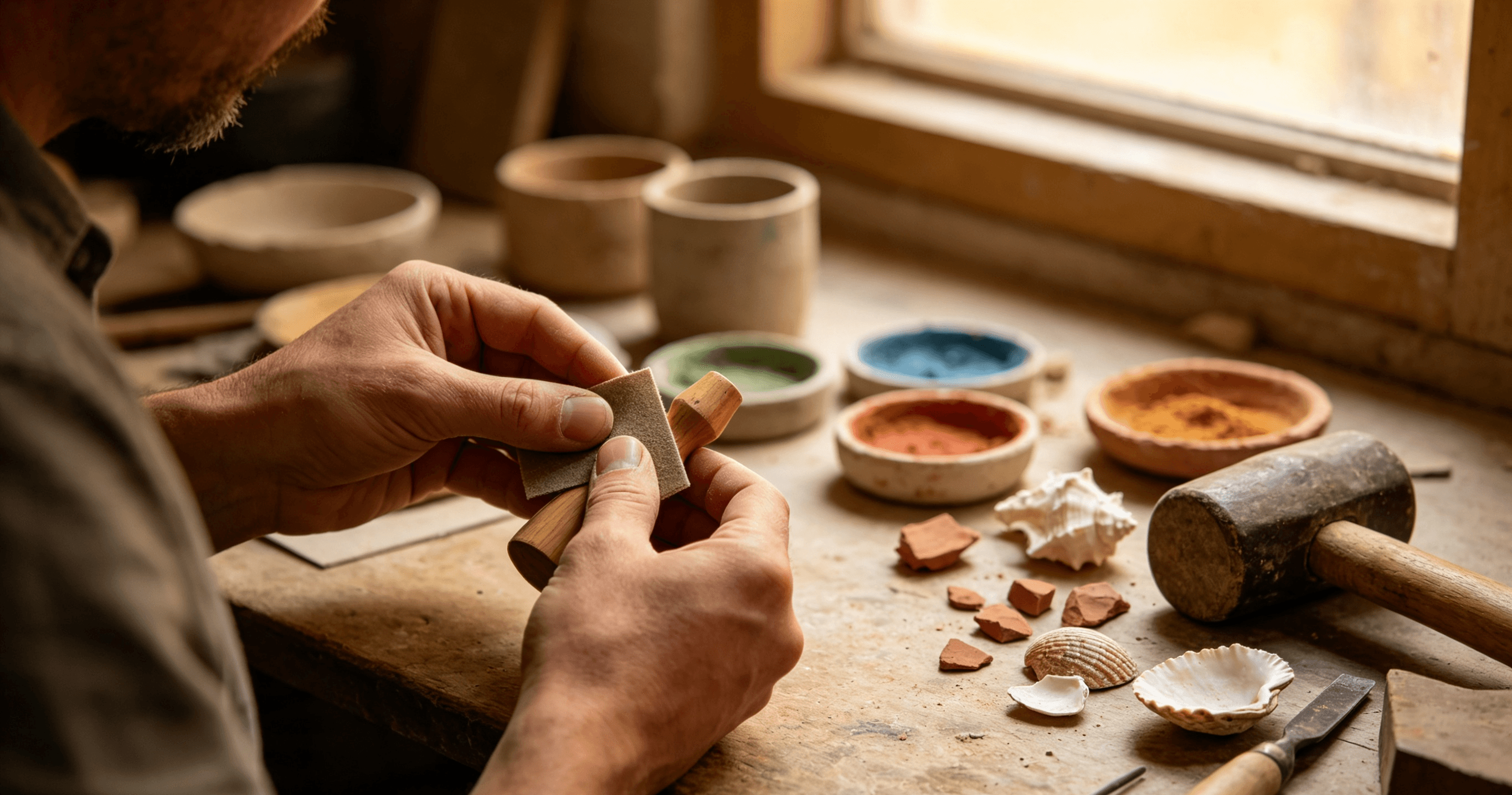
Visual culture exists only as abstract ideas and shared memories until it’s formed into a tangible object. Objects act as the middle layer between intangible cultural thought and physical raw materials. What an object is meant to do—whether ritual ceremony, everyday household use, decoration or trade—decides which parts of the prevailing visual culture it prioritises, and creates hard practical limits for anyone designing it.
The ancient pierced shell beads featured in one of Curio’s past pieces on early human cognition illustrate this connection perfectly. Thousands of years before cave paintings or ivory sculptures became common, nomadic tribes fashioned tiny shell pendants to wear as protective talismans.
The visual culture of that era valued small, portable symbolic charms to mark clan membership and ward off misfortune.
The bead itself, as an object, needed to be lightweight, easy to puncture, durable enough to trade between separate tribes and comfortable enough to wear against the skin every single day.
Every design choice here matters: uniform tiny sizing, a single central hole for threading cord, a smoothly polished exterior, all exist to serve two roles at once, wearable spiritual amulet and portable currency for cross-group trade.
Ordinary modern objects follow this exact same logic. Public park benches, a subject we’ve covered in Curio’s Living History archive, are physical items shaped by urban visual culture that prioritises casual public interaction and inclusive street design. Their low, wide shape, matte neutral finish and blocky sturdy build are not accidents. The visual language of civic public space demands furniture that stays unobtrusive, invites people to slow down and sit together without dominating the sidewalk landscape. If a designer built a thin, glossy, towering bench instead, it would fail the core cultural function of a park bench: creating gentle spaces for strangers to rest and gather.
Objects condense overlapping cultural demands into a single physical form. They need to work functionally, fit the community’s established visual norms, and exist within the boundaries of materials people can actually source locally.
Materials: The Hidden Foundation That Alters Visual Possibility
Material is the first layer of communication an object possesses, even before shape is decided or paint is applied. Texture, weight, how light bounces off a surface, durability and inherent natural colour all stem directly from what something is made from. Every material carries its own long-standing cultural associations, and swapping out one material for another can completely shift the meaning embedded within visual culture itself.
Material’s influence splits into two clear parts: sensory visual feeling, and inherited cultural symbolism.
Texture changes how we perceive mood instantly
Our brains interpret an object’s atmosphere the second light touches its surface, creating predictable material associations we barely notice we follow:
Matte clay, rough unrefined timber, unbleached linen always feel organic, grounded, handmade and timeless.
Shiny plastic, polished chrome, clear acrylic read as industrial, artificial, futuristic, easily disposable.
Raw stone and cast iron feel heavy, permanent, built to last for generations.
Sheer silk and resin-coated fabrics come across as delicate, fluid, temporary.
Take a sculptural floor lamp carved from gnarled natural clay paired with a linen lampshade. Its rough, fibrous material creates a sense of quiet natural calm. Swap the clay base for polished stainless steel, keep the exact curved silhouette unchanged, and suddenly the lamp feels cold, clinical, purely modern. No edits to shape required; switching materials alone rewrites the entire visual narrative of the object.
Every material carries centuries of cultural symbolism
No material exists in a cultural vacuum. Societies attach layers of symbolic meaning to substances over hundreds of years, and designers either respect those meanings or intentionally break them to make a statement.
Cowrie shells symbolised wealth, fertility and cross-cultural trade across West Africa and ancient China, which explains why they appear both on Bamana headdresses and traditional jade ornaments alike.
Solid natural timber represents warmth, longevity and hand craftsmanship within European and East Asian craft traditions, while cheap particleboard instantly reads as disposable, low-quality mass production.
Acrylic, a modern synthetic material, lets contemporary designers reinterpret classic traditional forms. Those translucent acrylic reproductions of Song dynasty flower tables strip away the aged, earthy quality of timber, reframing classic curved furniture silhouettes within futuristic transparent visual language. Choosing acrylic instead of wood becomes a cultural commentary, blending historical design language with modern aesthetics.
Material scarcity also reshapes entire visual cultures from the ground up. Before industrialisation, every community relied on locally available stone, plant fibres, bone and shells, so their full visual vocabulary leaned into natural earth tones and organic uneven textures. Global manufacturing unlocked plastic, aluminium, clear glass and synthetic vivid pigments, expanding visual culture to include neon shades, mirror-like gloss finishes and ultra-thin transparent structures that were physically impossible to craft using only natural ancient materials.
Design Decisions: Where Culture, Object Purpose and Material Collide
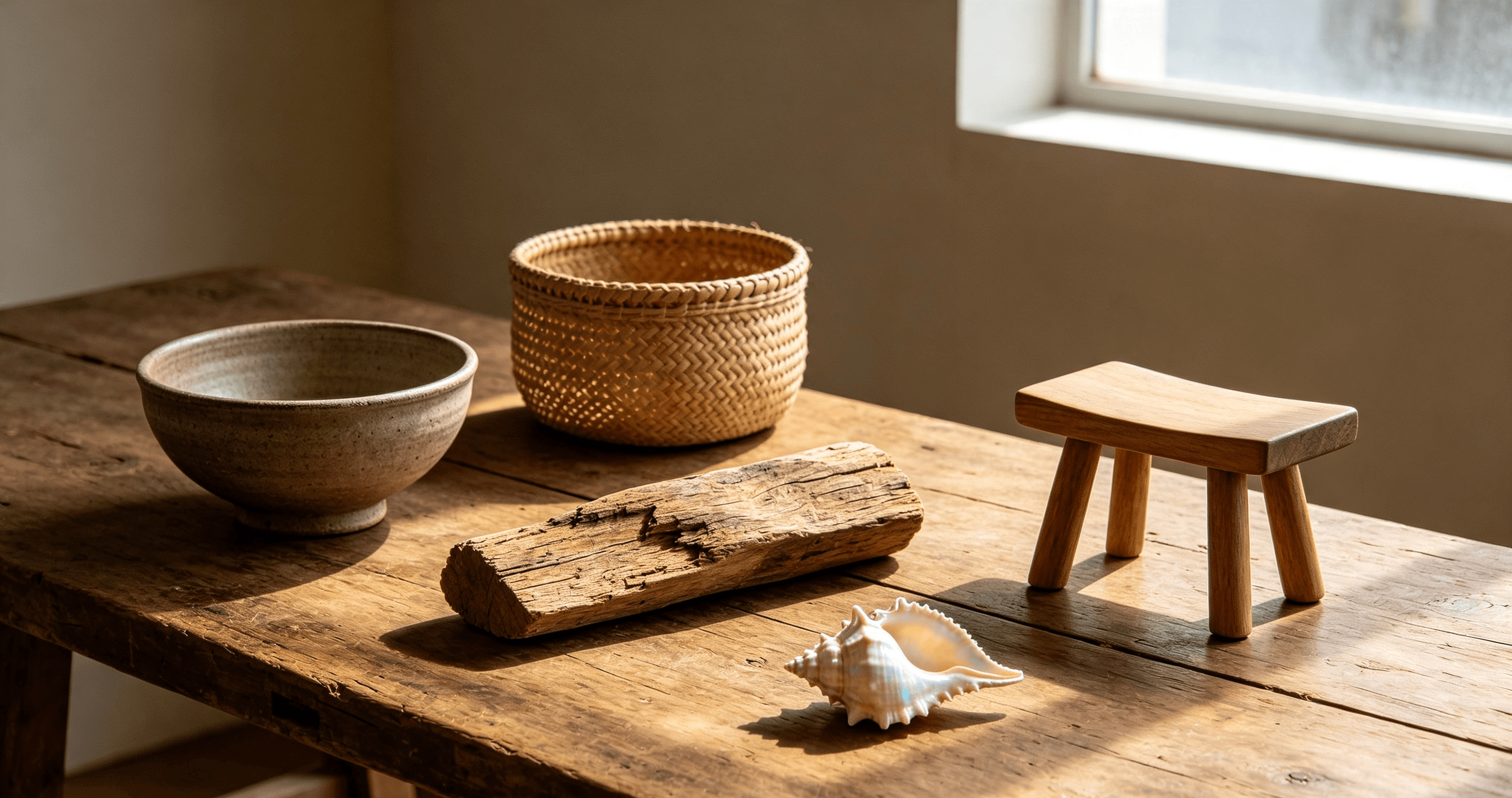
A design choice is never a simple subjective preference like “I prefer this shape”. Every decision acts as a negotiation balancing three non-negotiable restraints:
- The established rules of the local dominant visual culture
- The core purpose and intended identity of the finished object
- The physical limitations and symbolic baggage of the materials available to work with
All design choices fall into one of two categories: working alongside existing cultural and material norms, or deliberately breaking them to shift visual culture forward over time.
Case one: Conventional design, following established cultural logic
Traditional Dogon mask artisans stick to a steady, intentional workflow passed down through generations:
Start with the Dogon visual culture built around vertical forms and earth-based muted tones.
Create a mask intended for ritual dancing, designed to be seen clearly during ceremonies while telling ancestral spiritual stories.
Source local clay from sandstone soil, charcoal and white kaolin clay pigments — the only colour materials readily accessible within their land.
Final design calls follow naturally: tall vertical panels, flat blocks of earth pigment colour, no glossy surfaces whatsoever.
None of these individual steps can be separated from one another. If a craftsman swapped natural clay pigments for imported synthetic paint, the mask would visually sever the Dogon connection to their ancestral rocky land, ruining its spiritual ritual function even if the silhouette stayed identical. The simple choice of which pigment material to use is inseparable from cultural beliefs and the object’s intended purpose.
Case two: Subversive design, reshaping visual culture by swapping materials
Modern artists frequently swap materials intentionally to challenge outdated visual stereotypes. Take the mixed-media artwork Butterfly’s Dining Table, which pairs rough solid cedar trunks with a transparent resin tabletop.
Traditional furniture visual culture dictates wooden tables should use fully opaque timber to convey sturdiness and natural authenticity.
This dining table artwork exists to question the dividing line between natural craft and industrial manufactured goods.
The design choice combining rugged cedar and clear glossy resin deliberately clashes two opposing material languages.
The coarse solid cedar anchors the piece within traditional handmade craft customs, while liquid transparent resin injects artificial futuristic transparency into the structure. That single material swap rewrites the established visual culture surrounding wooden dining tables, forcing anyone viewing the piece to rethink how natural and man-made materials shape our definition of handmade versus factory-produced design.
Final Thoughts: We Read This Design Language Every Single Day
Every item you encounter throughout the day follows that same causal chain we’ve broken down:
Shared Visual Culture → Object Function & Identity → Material Limits & Symbolism → Final Design Decisions
Design isn’t merely superficial beauty. It is translation work, plain and simple. Designers take abstract cultural beliefs, turn those ideas into usable physical objects, then select materials that either reinforce the existing cultural identity of a community or reimagine how that community views itself entirely. Next time you pause to admire a handmade ceramic bowl, a solid wooden dining chair or a translucent modern sculpture, skip analysing its shape first. Examine what it’s made of instead. The texture, weight and subtle shine of its material is where its full cultural story truly begins.
Published in Curio Journal Arts & Design Section
Related reading from our archive:
- Pierced Shell Beads: Early Humans Pursued Beauty Far Earlier Than Researchers Once Believed
- How Public Benches Redefine Urban Street Behaviour