Why Elevators Make Time Feel Strange
A curious look at waiting, movement, mirrors, buttons, and social silence inside one of the most ordinary machines in daily life.
Translate the everyday question into simple mechanisms, limits and observable details.
An elevator ride is usually short, but it rarely feels neutral. Ten seconds can feel instant when the doors open on arrival, awkward when two strangers stand shoulder to shoulder, and surprisingly long when the car pauses one floor above yours. The machine is doing a simple job: moving people vertically. The human experience inside it is less simple because elevators compress waiting, motion, uncertainty, and social rules into a small box.
That is why elevator time feels strange. It is not only about speed. It is about attention. When there is little to do, small cues become large: a number changing, a motor sound, a mirror, a button light, a person shifting weight, a door that almost opens and then does not. The ride turns into a tiny experiment in how people estimate time when they cannot control much.
The wait begins before the ride
Elevator time starts in the lobby. Pressing the call button creates a promise that something should happen soon, but the building does not reveal the whole system. You may see an indicator, hear machinery, or watch doors, yet you usually do not know whether the car is full, stopping at many floors, being held open, or moving in a bank that prioritizes another call. Uncertainty stretches waiting more than distance does.
The button also changes your role. Before pressing it, you are simply standing. After pressing it, you are expecting a response. If nothing visible happens, the delay feels personal even though the system is indifferent. This is one reason people press elevator buttons more than once. The extra press rarely changes the machine’s decision, but it gives the waiting person a small action in a situation designed around limited control.
Movement without a view
Most travel gives the brain rich feedback. Walking offers footsteps, landmarks, air, and effort. Driving offers scenery, turns, and visible progress. Elevators remove most of that. You accelerate, slow, and stop, but the walls largely stay the same. Without a view, the mind uses substitute cues: the floor display, the hum, the pressure sensation in the body, and the behavior of other passengers.
This makes short interruptions feel bigger. A stop on another floor is not just a stop; it is a break in the only progress signal you have. If the doors open to nobody, the moment feels almost absurd. The machine has obeyed a request that is no longer visible. In a hallway, an empty pause would pass unnoticed. In an elevator, it becomes the whole event.
Mirrors, music, and design tricks
Elevator designers have long understood that perceived wait can matter as much as actual wait. Mirrors give people something to look at and can make a small cab feel less closed in. Lighting, handrails, floor indicators, and quiet music all shape the sense of time. A ride with visible progress and a mild distraction often feels shorter than a faster ride with no feedback.
The same idea appears in many service settings. A line that moves steadily may feel better than a silent wait of equal length. A progress bar can reduce frustration even when the underlying process is unchanged. Elevators are everyday proof that time is partly measured by clocks and partly by whether the mind has enough information to make the wait feel understandable.
The social rulebook is unusually strict
Elevators create a temporary group with almost no shared purpose beyond getting out at different floors. People usually face the doors, lower their voices, avoid long eye contact, and make room without discussing it. These rules are efficient, but they also make time louder. When conversation stops, attention turns to tiny signals: a cough, a bag brushing a coat, a phone notification, a person who stands slightly too close.
The awkwardness is not necessarily fear. It is the effort of cooperating in a small space without over-communicating. Everyone is performing a little politeness choreography. The ride may last twenty seconds, but the brain treats it as a social puzzle: where to stand, when to move, whether to hold the door, whether to say thanks, how quickly to exit.
Common mistake: blaming impatience only
It is easy to say elevator frustration is just impatience. Sometimes it is. But the environment also encourages impatience by hiding causes. If a bus is late, traffic may be visible. If a stair climb is slow, your own effort explains it. If an elevator lingers, the reason is often invisible. People tolerate delays better when they can understand them.
That does not mean every building needs a screen full of logistics. Too much information can create clutter. But simple cues help: clear floor indicators, responsive door timing, clean lighting, and call systems that show a request was registered. Good design gives the waiting mind just enough structure.
A tiny observation exercise
The next time you take an elevator, notice three moments: the wait after pressing the button, the first second after the doors close, and the moment before your floor arrives. Ask what you used to estimate time. Was it a number display, body motion, sound, another person, or your own expectation? Then compare a solo ride with a crowded one. The clock may be similar, but the felt duration may not be.
This is the charm of elevators as a curiosity topic. They are not rare, glamorous, or mysterious machines. They are ordinary boxes that reveal how much of daily experience is built from attention, control, and context. The elevator moves through a shaft; your sense of time moves through everything around it.
Buttons and the need for agency
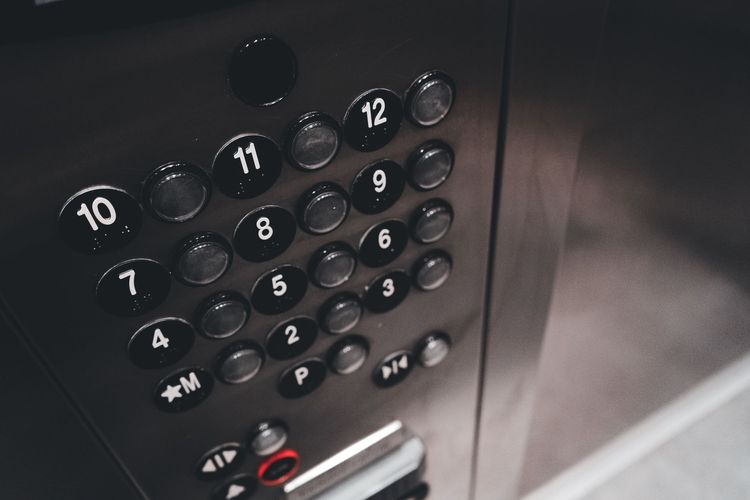
The door-close button is the most famous symbol of elevator impatience. In some buildings it works only under certain conditions; in others it may be limited by accessibility timing, fire controls, or system settings. Whether it works in a particular elevator is less important than what it represents. People want a point of agency when a system is sealed, quiet, and opaque.
That desire for agency appears in the call button too. A lit button says the request exists. An unlit button makes people wonder whether the press registered. A destination-control system that asks riders to choose a floor before entering can feel efficient once learned, but confusing the first time because it removes the familiar row of buttons inside the cab. Each design changes how riders understand their role.
Why the last few floors feel longer
Waiting often becomes sharpest near the end. If the display reaches the floor before yours and then stops, the delay feels larger than the same pause at the beginning. The mind has already prepared to exit. Bags shift. Conversation stops. Someone moves toward the door. When the car opens for another passenger instead, the expected ending is postponed.
This is a small version of a larger timing effect. A delayed ending feels different from a delayed beginning because attention has already moved to the next action. The same thing happens when a download reaches 99 percent, a train slows outside the station, or a customer-service line says you are next. Progress cues help, but they also create sharper expectations.
Elevators as building biographies
Elevators reveal the age and personality of buildings. Older buildings may have slower doors, heavier sounds, and floor indicators with a theatrical rhythm. Office towers may prioritize capacity and speed. Hotels may add mirrors, music, or scent. Hospitals and care facilities often need larger cabs, smoother timing, and clearer controls. Apartment buildings show daily life through scuffed thresholds, moving pads, delivery traffic, and handwritten notices.
The ride therefore carries social information. A silent corporate elevator at 8:45 a.m. feels different from a residential elevator with groceries, dogs, strollers, and repair tools. The machine is similar, but the social script changes. That script affects perceived time because attention follows what might happen next.
A design lesson beyond elevators
Elevators teach a useful lesson for any waiting system: do not leave people with only uncertainty. Show that a request was received. Give progress when possible. Make delays understandable without overloading users. Provide a reasonable action if something goes wrong. Keep the environment calm enough that people are not forced to monitor every second.
This applies to apps, airports, clinics, delivery tracking, customer service, and checkout lines. A wait does not have to vanish to feel better. It has to become legible. Elevators make that lesson easy to study because the whole experience fits between two doors.
Safety cues and trust
People also read elevators for safety cues, even when nothing is wrong. Clean doors, level floors, clear capacity signs, smooth stops, working lights, and readable emergency information all reduce mental noise. A rattling panel or flickering light may not mean danger, but it steals attention. The rider starts monitoring the machine instead of simply using it.
This matters because trust changes perceived time. A slow elevator in a well-maintained building can feel acceptable. A slightly faster elevator that jerks, smells overheated, or has confusing controls can feel longer because the mind stays alert. Good maintenance is therefore not only mechanical care; it shapes the emotional experience of time.
Why phones changed elevator behavior
Smartphones gave riders a private place to put their attention. Looking at a screen can soften social awkwardness and make waiting feel shorter, but it also creates new moments: people miss their floor, block the doors while finishing a message, or feel irritated when signal disappears. The phone acts as both distraction and expectation machine.
A ride that once required staring at numbers may now become a quick email check. Yet the loss of signal in some elevators makes the rider newly aware of being enclosed. That tiny break in connectivity can stretch the ride again. The elevator has not changed speed; the attention available to the passenger has changed.