The Hidden History of Receipts, Tags, and Tiny Paper Proofs
A look at how small paper records shape shopping, memory, returns, warranties, taxes, and trust in everyday life.

Anchor the story to people, places and small decisions that still shape everyday life.
A receipt looks disposable until you need it. A clothing tag seems annoying until it explains fabric care. A ticket stub becomes clutter until it reminds you where you were on a particular night. Tiny paper proofs occupy a strange place in daily life: they are boring records at first, then evidence, memory, or waste depending on what happens next.
The history of these objects is not only a history of shopping. It is a history of trust. When goods, money, warranties, taxes, repairs, and returns move between people who may never meet again, someone needs a record. Paper made that record portable. Even in a world of email confirmations and app notifications, the logic of the small proof remains. We still want something that says: this happened, at this time, under these terms.
Before the receipt was routine
For much of commercial history, proof depended on relationships, ledgers, marks, seals, and memory. Local shopkeepers could extend credit because they knew customers. Tradespeople kept account books. Markets relied on habit and reputation. Paper receipts became more important as transactions grew faster, more anonymous, and more mobile. If the seller did not know you, and you might return days later, a portable proof reduced argument.
The receipt also protected sellers. It recorded the date, amount, item, and sometimes conditions of sale. That mattered for returns, delivery disputes, business accounts, and taxes. A scrap of paper could prevent a conversation from becoming a contest of memory.
Tags turned goods into readable objects
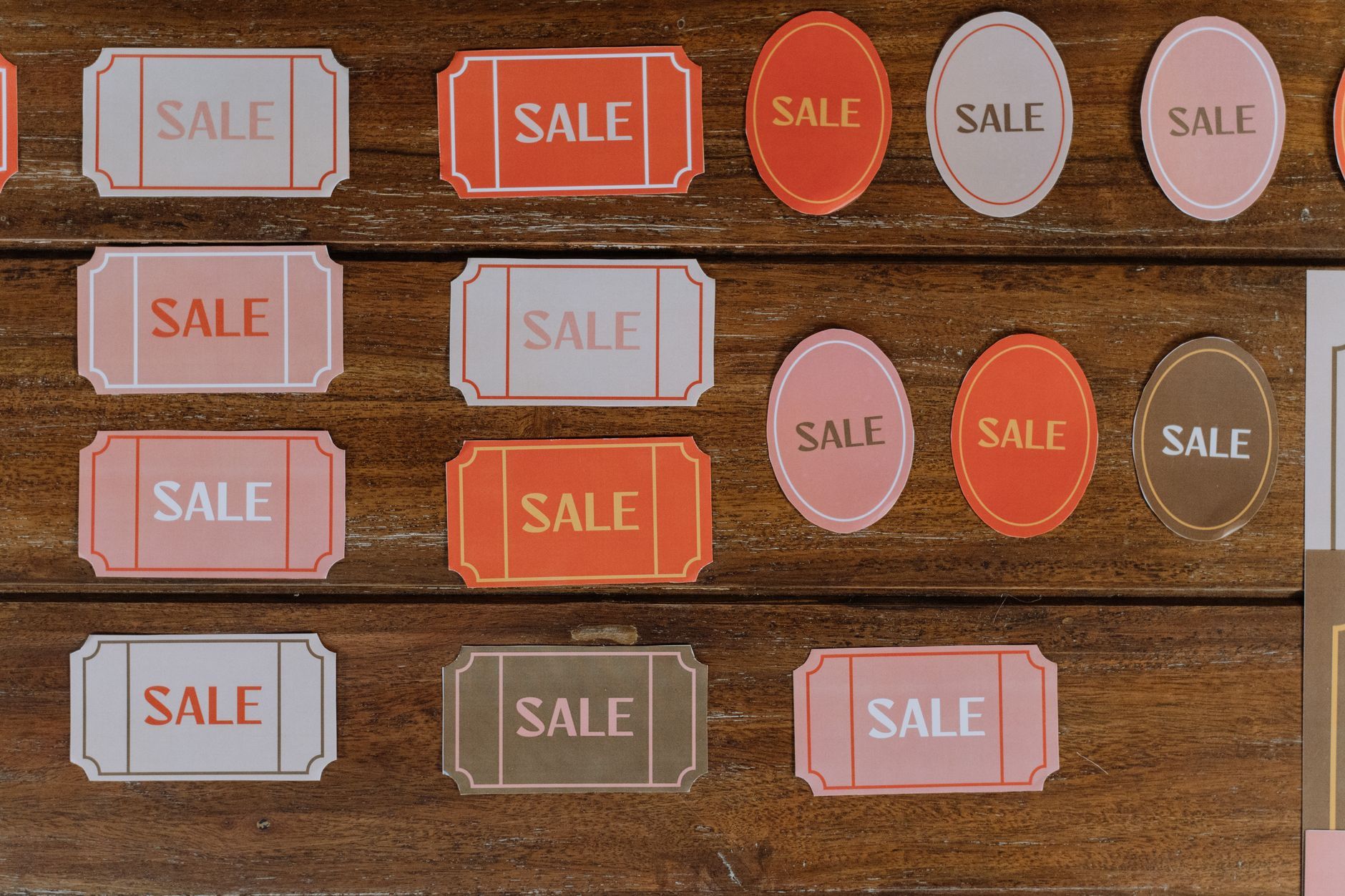
Price tags and product labels did something subtle: they made goods speak before a clerk did. A tag could show size, price, origin, material, batch, care instructions, or a promotional claim. This changed shopping behavior. Customers could compare without asking a question every few seconds. Stores could standardize information across many workers and locations.
Tags also created a new kind of trust problem. Once a label became persuasive, it could also mislead. That is why modern labeling rules, consumer protection norms, and industry standards matter. A tag is not just decoration. It is a compact promise about what an item is, how it should be used, and what the buyer can reasonably expect.
The emotional afterlife of paper proof
Receipts and tickets often outlive their practical job. People keep boarding passes in books, concert tickets in drawers, museum stickers on notebooks, and restaurant receipts from trips. The object is cheap, but it anchors a memory to a date and place. A digital confirmation may be easier to search, yet it rarely has the same accidental intimacy as a folded paper square found years later.
This emotional afterlife is uneven. A grocery receipt fades into a gray ribbon. A warranty slip hides in a folder. A handwritten tag on a gift may be saved longer than the box. The value comes from context, not material. Paper proof is powerful because it can be both official and personal.
Why paper persists beside digital records
Digital receipts solve many problems: search, storage, backup, accessibility, and environmental cost when they replace unnecessary printing. But paper persists because it is immediate, transferable, and independent of battery life or account access. A repair ticket handed across a counter can travel with the object. A coat-check ticket works without asking for an email address. A printed return receipt gives a customer confidence before an online system updates.
The best systems often use both. Digital records handle long-term storage; paper handles the messy moment at the counter, gate, locker, workshop, or event entrance. The tiny proof succeeds when it fits the speed and stress of the situation.
Common mistake: treating small records as meaningless
Throwing every proof away immediately can create avoidable friction. Keeping every proof forever creates a different problem. The useful middle is to sort by consequence. Keep receipts for items that may be returned, repaired, reimbursed, insured, or claimed for tax or warranty reasons. Let go of low-stakes paper once the transaction is settled.
A simple household routine helps: one envelope or folder for current returns and warranties, cleared monthly. Photograph important receipts that fade quickly. Write the item name on vague slips before forgetting. Do not rely on memory for serial numbers, repair deposits, or cash payments. Small records are most useful when they are findable.
A small design lesson
Receipts, tags, and tickets teach a design principle: evidence should match the user’s future question. A receipt that says only “miscellaneous” may satisfy a cash register but fail the customer. A tag with beautiful branding but unreadable care instructions fails at laundry time. A ticket without a clear date or location becomes a souvenir but a poor record.
The best tiny proofs are plain where plainness matters. They show the who, what, when, where, and terms without requiring detective work. That is why they deserve more attention than they get. They are daily infrastructure, printed small.
What to notice next
The next time you empty a pocket or bag, look at the paper proofs before tossing them. Which ones record money? Which record access? Which record identity, repair, travel, care, or memory? Which are designed for a person under pressure, and which are designed mainly for the issuing system?
A receipt is not glamorous history. That is the point. Much of everyday life depends on modest objects that make trust easier between strangers. Tiny paper proofs are among the quietest of them.
The cash register changed the paper trail
The spread of cash registers made receipts more standardized. A sale could be recorded for the shop, the worker, and the customer at the same time. This mattered because retail was not only a friendly exchange across a counter. It was inventory, wages, taxes, theft prevention, refunds, and accounting. The small slip connected a brief transaction to a larger system of records.
As stores grew, receipts helped separate trust in a person from trust in a process. You did not need the same clerk to remember you. The paper could speak for the transaction. That shift is easy to overlook, but it shaped the experience of modern shopping: return desks, warranties, itemized bills, expense reports, and loyalty programs all depend on recordkeeping.
Tags as arguments
A tag does more than identify an object. It argues for how the object should be understood. A handmade tag suggests craft. A barcode suggests logistics. A luxury swing tag suggests status. A care label suggests responsibility after purchase. A clearance sticker changes the story again by making time visible: this item has waited, and the store wants it gone.
Because tags argue, people learn to read them skeptically. A high original price beside a discount may or may not represent real value. A country-of-origin label may matter for quality, ethics, repair, or personal preference. A material label can guide comfort and care. The tag condenses practical information and persuasion into a few square inches.
When proof becomes surveillance
Paper proof can protect people, but records can also expose them. A receipt may show medication, location, time, payment method, or personal habits. A ticket may reveal movement. A loyalty tag may connect purchases across months. Digital records amplify this issue because they are searchable and linkable. The convenience of proof has always lived beside questions about who keeps the record and how it is used.
That does not mean records are bad. It means proof should be proportionate. A coat-check ticket does not need your birthday. A simple return may not need a marketing profile. A warranty may need serial numbers but not unrelated personal details. The history of small proofs is also a history of negotiating how much information a transaction should require.
How to preserve what matters
For personal archives, keep a small number of meaningful paper proofs deliberately rather than accidentally preserving piles. Label the back of a ticket with the event and date. Store thermal receipts away from heat and light if you need them, or photograph them because they fade. Keep warranty and repair documents with the item name written clearly. Recycle the rest when the practical window closes.
This habit respects both memory and clutter. Not every receipt deserves a drawer. Some do. A ticket from a first trip, a handwritten shop tag from a gift, or a receipt from a life event can carry more meaning than its design intended.
Repair shops and claim tickets
Repair tickets are among the most practical paper proofs. They connect an object to a person, a problem, and a promise. A shoe repair, phone repair, dry cleaner, tailor, or bicycle shop may use a small ticket to prevent confusion among many similar items. The ticket is humble, but it stands in for ownership while the object is away from you.
These tickets also show why details matter. A repair slip that says “fix” is weak. A better one names the item, condition, requested work, estimated cost, deposit, date, and contact method. When something goes wrong, the quality of the paper proof can decide whether the conversation is simple or tense.
Paper proof in travel and events
Tickets for trains, museums, theaters, parking lots, and cloakrooms all manage temporary rights. They say you may enter, sit, retrieve, leave, or return under specific conditions. Even when the ticket is now a QR code, the old logic remains: a small transferable proof connects a person to an entitlement for a limited time.
This is why ticket design has always carried stakes. A confusing date, hidden fee, unclear seat, or unreadable gate can create real stress. The best tickets are not merely attractive; they answer the question a traveler or guest will ask while standing in a noisy place with people behind them.